
Field Notes · July 7, 2026 · 6 min · By Katarina Mbeki
Keloids from acne: when a breakout leaves a raised scar
Acne is one of the most common keloid triggers, and controlling the breakout is scar prevention.
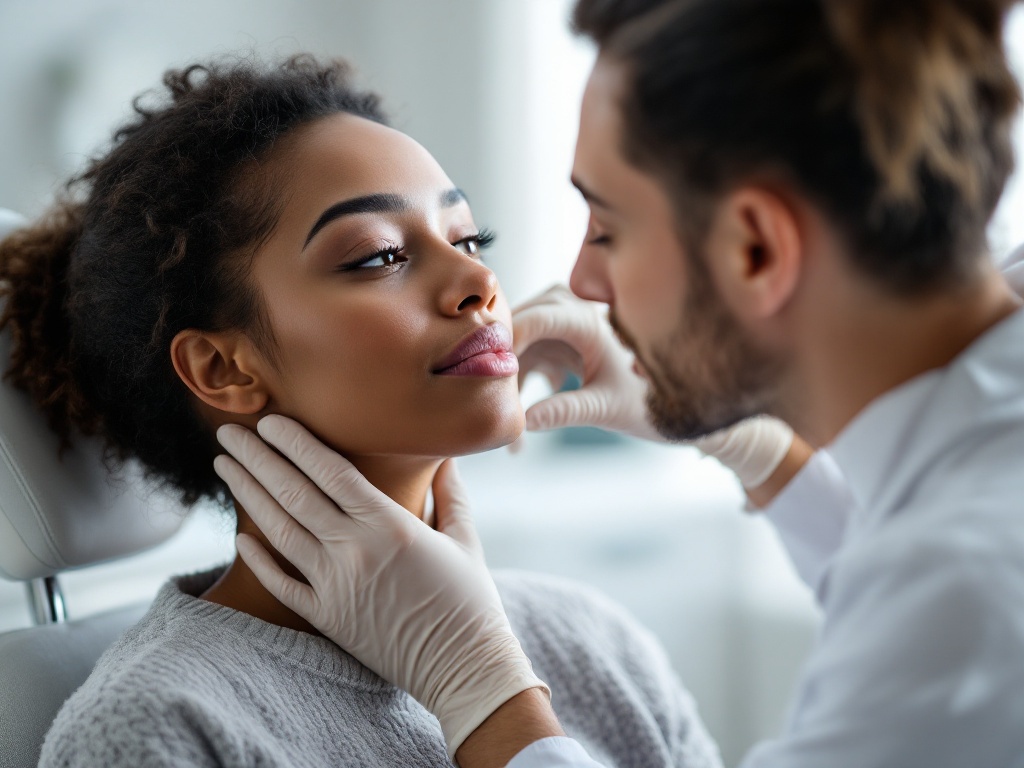
Piercings and surgery get most of the attention, but for many people the first keloid of their life comes from a pimple. A deep, inflamed breakout on the jawline, chest, shoulders, or upper back can heal into a firm raised scar that keeps growing long after the blemish itself is gone. Understanding that link changes how a keloid-prone person should handle acne from the start.
Why a breakout can become a keloid. A keloid does not need a dramatic wound to get started; it needs a break in the skin and an inflammatory healing response, and a deep acne nodule or cyst supplies both. In someone prone to keloids, the repair process that follows an inflamed pimple can overshoot, with fibroblasts continuing to lay down collagen well after the skin has closed (StatPearls keloid overview, NIH). The geography makes it worse: the places severe acne favors, the jawline, chest, shoulders, and upper back, overlap almost exactly with the body's highest-risk keloid zones (AAD, keloids causes), which is why acne keloids so often appear scattered across the chest and shoulders in small crops rather than one at a time.
How to recognize an acne keloid. The tell is a bump that outlives the pimple. An acne keloid is firm, smooth, often dome-shaped, and it persists and slowly enlarges where a breakout used to be, sometimes itching or feeling tender, and often growing beyond the footprint of the original blemish. That growth beyond the original injury is what separates a true keloid from an ordinary raised acne scar, which stays within the wound's boundaries and tends to settle with time (what makes a keloid different). One related condition deserves its own mention: firm scarring bumps on the back of the neck, common in men with tightly curled hair, are usually acne keloidalis nuchae, a distinct inflammatory condition with its own treatment path despite the similar name (DermNet, acne keloidalis nuchae).
Treating the acne is the prevention. For a keloid-prone person, every new inflamed breakout is a potential keloid, so the single most useful preventive step is getting the acne itself under control rather than treating scars one by one after they form. Persistent nodular or cystic acne in someone with a keloid history is a reason to see a dermatologist early, not a cosmetic afterthought. Picking and squeezing deserve special caution: each squeeze adds fresh injury and inflammation to skin that has already shown it scars excessively, and the American Academy of Dermatology's guidance for keloid-prone people is to minimize exactly this kind of avoidable skin trauma (AAD, keloids self-care).
Treating the keloids that have already formed. Acne keloids respond to the same toolkit as any other keloid. Steroid injections are the usual first move, flattening and softening the bumps over a series of visits, with silicone and pressure supporting the result. A chest or shoulder scattered with many small keloids is usually treated in stages, working through the most symptomatic lesions first, and stubborn ones may need combination approaches. Small, recently formed acne keloids are far easier to control than established ones, which is another argument for acting early rather than waiting to see how big they get.
The takeaway. If you are prone to keloids, treat acne as a scarring risk and not just a cosmetic nuisance: get inflamed breakouts under real medical control, keep your hands off them, and show a dermatologist any bump that persists and grows after a pimple heals. Caught early, an acne keloid is a manageable problem; ignored, it can quietly become the largest scar on your body from the smallest injury.
Related reading: Who gets keloids, and why and Steroid injections: the first-line keloid treatment.