
Dispatch · February 8, 2026 · 5 min · By Leopold Ferreira
Silicone sheets and pressure: preventing keloids before they form
For people prone to keloids, what you do right after a wound matters most.
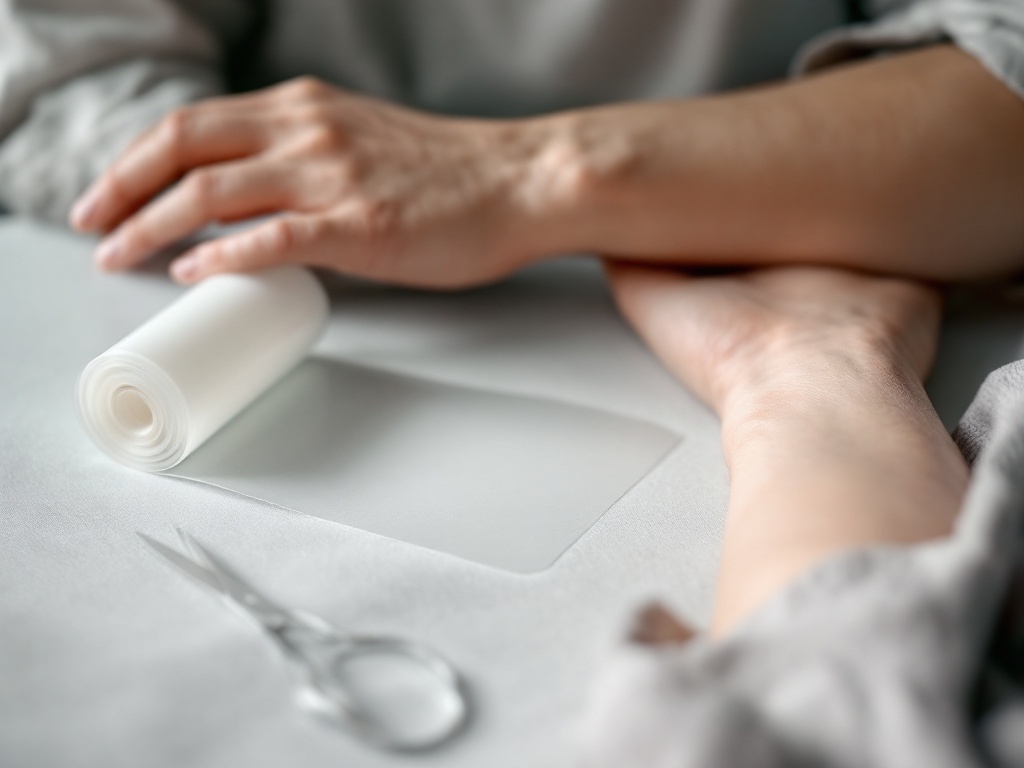
For someone with a keloid tendency, the most powerful intervention is not a treatment for an existing keloid but prevention at the moment of injury or surgery. Two simple measures have real evidence behind them.
Silicone, as sheets or gel, applied to a healing wound and worn consistently for weeks to months reduces the chance of a raised scar by hydrating and regulating the scar tissue. Pressure therapy, applying steady compression to a healing wound or scar, similarly discourages overgrowth and is a mainstay after keloid removal. Both are low-risk and inexpensive, and both demand consistency to work.
The practical message for keloid-prone people: before any elective procedure, discuss a scar-prevention plan, and after any wound, start silicone and protect the area early. Waiting until a keloid has formed forfeits the easiest window to control it. Prevention is unglamorous, slow, and far more effective than chasing an established keloid after the fact.
Related reading: Steroid injections: the first-line keloid treatment.
Further reading: Silicone gel sheeting for preventing and treating hypertrophic and keloid scars (Cochrane Database Syst Rev 2013); A review of the biologic effects, clinical efficacy, and safety of silicone elastomer sheeting for hypertrophic and keloid scar treatment and management (Dermatol Surg 2007).