
Dispatch · December 9, 2025 · 7 min · By Leopold Ferreira
Surgery plus radiation for stubborn keloids
Cutting a keloid out alone invites it back, combining with radiation changes the odds.
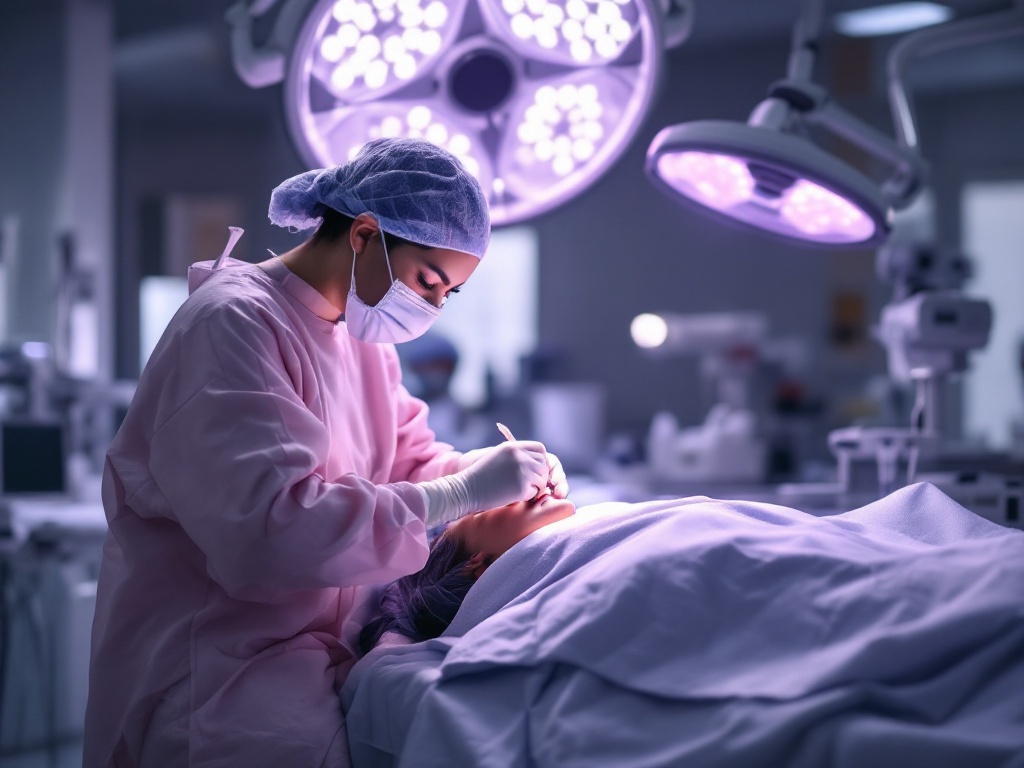
Surgical removal seems like the obvious answer to a large keloid, but on its own it is one of the worst, excision creates a new wound that frequently keloids again, often bigger than the original. The modern approach pairs surgery with adjuvant treatment to suppress recurrence.
The most effective pairing for high-risk keloids is excision followed promptly by a short course of radiation therapy, which dramatically lowers the recurrence rate compared with surgery alone. Other surgeons combine excision with steroid injections, pressure therapy, or other measures. The common thread is that the cut is only half the plan; the other half is preventing the regrowth that the cut would otherwise provoke.
This is why keloid surgery should be done by someone with a recurrence-prevention strategy in place from the start, not as a standalone removal. Patients who understand that the operation is one step in a protocol, not a definitive cure by itself, make better decisions and get better long-term results.
Related reading: Laser treatment for keloids: what it can and cannot do.