
Field Notes · July 5, 2026 · 6 min · By Katarina Mbeki
Tattoos and piercings when you are keloid-prone: making the risk decision
Any break in the skin can trigger a keloid, so cosmetic procedures are a real decision, not a given.
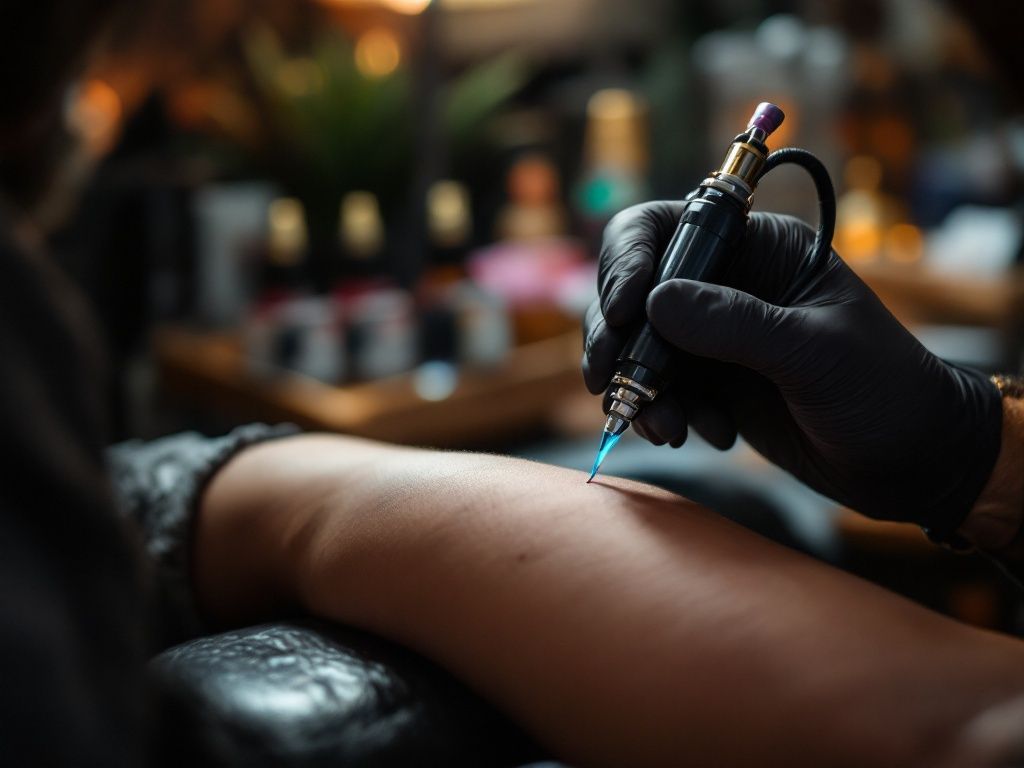
For most people, a tattoo or a new piercing is a low-stakes choice. For someone who forms keloids, it is a deliberate risk decision, because both procedures do exactly what starts a keloid: they break the skin and leave it to heal. Deciding well means understanding the odds and the options, not simply hoping for the best.
Why these procedures carry keloid risk. A keloid can grow from any injury that breaches the skin, and piercings and tattoos both qualify. The earlobe after a piercing is one of the most common keloid sites of all, and tattoos, which are effectively thousands of tiny punctures, can raise a keloid along the design in a keloid-prone person. The trigger is the wound and the healing response, not the ink or the jewelry themselves (MedlinePlus, keloids).
Know your own history first. The strongest predictor of a future keloid is a past one. If you have keloided from a previous piercing, a surgical scar, or even acne, assume the next skin injury can behave the same way. Family history and deeper skin tone push the odds up further (AAD, keloids causes). None of this makes a keloid certain, but it moves the decision out of the realm of wishful thinking and into an honest weighing of likelihood.
Location matters as much as the procedure. Keloids favor high-tension, high-risk zones: the earlobe and upper ear, the chest, the shoulders, and the upper back. A small tattoo on the forearm carries less keloid risk than the same tattoo across the chest, and cartilage piercings high on the ear are a well-known keloid trigger. If you decide to proceed, choosing a lower-risk site is one of the few levers genuinely within your control.
If you decide to go ahead. Talk to a dermatologist before, not after. For a keloid-prone person set on a piercing or tattoo, a clinician can discuss starting silicone and pressure early, watching the site closely, and treating any thickening promptly while it is still small, since a tiny early keloid is far easier to control than an established one. The American Academy of Dermatology's guidance for people prone to keloids is essentially to avoid unnecessary skin trauma and to act quickly when a scar starts to rise (AAD, keloids self-care).
Reversibility is not the point. People sometimes reassure themselves that a piercing can simply be removed if a keloid appears. Removing the jewelry does not remove the keloid, which has its own momentum by then and usually needs injection or a combined treatment plan. Planning as if the keloid, once started, will need real treatment is the honest way to weigh the decision up front.
A measured bottom line. This is not a blanket prohibition. Plenty of keloid-prone people get tattoos or piercings without incident, and the choice is personal. But it is a choice that deserves the same seriousness as any elective procedure that can leave a lasting mark: know your history, respect the high-risk sites, test cautiously if you are unsure, and have a plan for prompt treatment if a scar begins to thicken.
The takeaway. If you are keloid-prone, treat a tattoo or piercing as a genuine risk decision. Weigh your personal history and the site, get a dermatologist's input beforehand, favor lower-risk locations, and be ready to act early. Going in informed is what separates a considered choice from a preventable regret.
Related reading: Ear keloids after piercing: a common and treatable problem and Who gets keloids, and why.