
Advances · July 3, 2026 · 7 min · By Jericho Vasquez
Superficial radiation therapy: the modality behind low keloid recurrence
When radiation follows keloid excision, it is usually a short, shallow, carefully timed course.
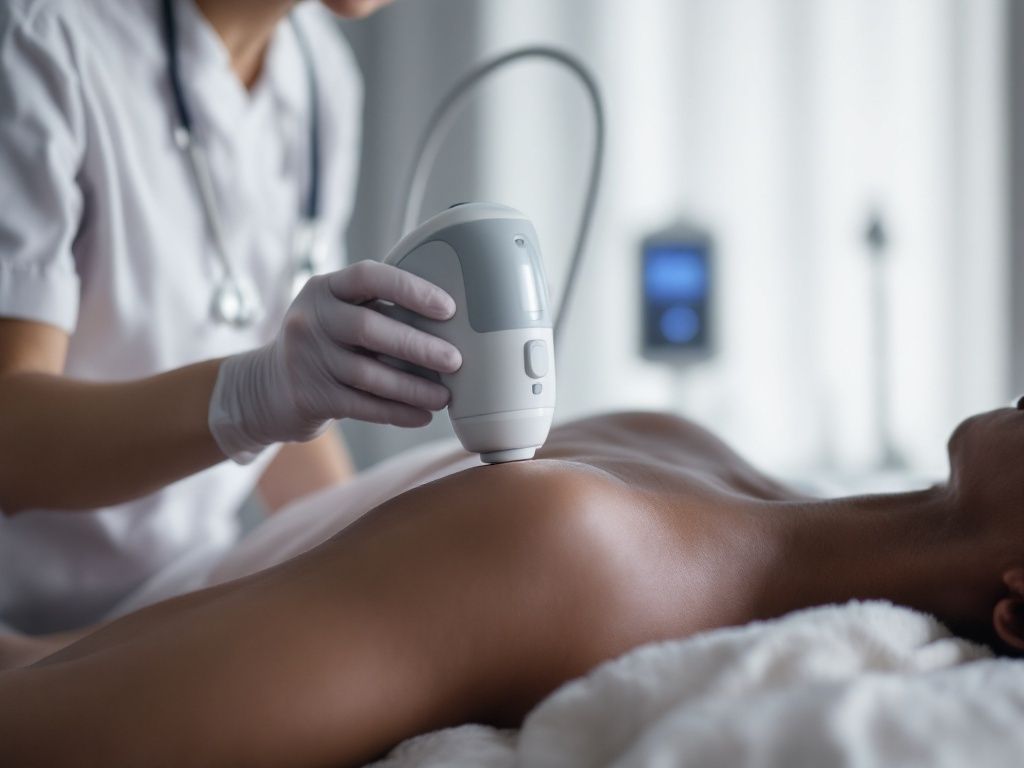
The single most effective way to keep an excised keloid from growing back is to follow the surgery with radiation, and the version most often used is superficial radiation therapy, or SRT. It is worth understanding what that actually involves, because the word radiation frightens people out of a treatment that, used correctly, has the best track record in keloid care.
Why radiation is paired with surgery at all. Cutting a keloid out on its own is one of the least reliable options, because excision creates a fresh wound that a keloid-prone body can scar over again, sometimes larger than before. Radiation given soon after the wound is closed interrupts the burst of fibroblast activity and collagen overproduction that drives that regrowth. It does not treat the old keloid, which the surgeon has already removed; it protects the new incision during the narrow window when a fresh keloid would otherwise form.
What superficial means here. SRT uses low-energy X-rays or a superficial electron beam that deposit their dose in the top few millimeters of skin and fall off sharply below that. The point is to reach the healing scar without carrying a meaningful dose into deeper tissue or nearby organs. That shallow depth is exactly why the technique suits earlobes, the chest, and the shoulders, the high-risk keloid zones where a surgeon wants the effect kept at the surface.
The timing is strict. The benefit depends on starting quickly, usually within a day or two of the excision, because the fibroblasts that would build a new keloid are most active immediately after closure. The course is short, commonly a small number of daily sessions rather than the long, cumulative regimens people associate with cancer radiotherapy. A review of radiation for keloids describes prompt post-excision treatment delivered over a few fractions as the standard pattern (Radiation Therapy in the Treatment of Keloids, PubMed), and the American Academy of Dermatology lists radiation among the recognized options for keloids that resist other care (AAD, keloids treatment).
What the evidence shows. The reason clinicians tolerate the added complexity of radiation is the recurrence numbers. Excision alone frequently fails, with regrowth rates that can exceed half of cases, while excision followed by radiation drives recurrence markedly lower, often into the low tens of percent or below at one to two year follow-up. Those figures vary by site, dose, and how soon treatment begins, and they are worth asking your own team about rather than assuming a single headline number applies to you.
The trade-offs, stated plainly. Radiation is not casual. Short-term effects include redness, temporary darkening, and irritation of the treated skin. The long-term concern people raise most is cancer risk, and while the doses and shallow fields used for keloids are designed to keep that risk very low, it is not zero, which is why radiation is reserved for keloids at genuine risk of disabling recurrence rather than used routinely, and why it is generally avoided over sensitive areas such as the thyroid or breast in younger patients. Pigment changes also deserve attention in deeper skin tones, where they can themselves be disfiguring.
Where it fits. SRT is not a first move and not a standalone one. It is the adjuvant half of a surgical plan, chosen when a keloid is large, functionally troublesome, or has already come back after other treatment, and when a radiation oncologist and dermatologist agree the recurrence risk justifies it. For the right patient, it converts keloid surgery from a coin flip into a durable result.
The takeaway. If a surgeon proposes removing a stubborn keloid, ask what will follow the excision. When the answer is a short course of superficial radiation started within a day or two, that is not an aggressive escalation; it is the part of the plan that makes the surgery worth doing. Weigh the small, real risks against the high recurrence of surgery alone, and decide with a team experienced in both.
Related reading: Surgery plus radiation for stubborn keloids and Keloids and skin of color: tailored, careful treatment.